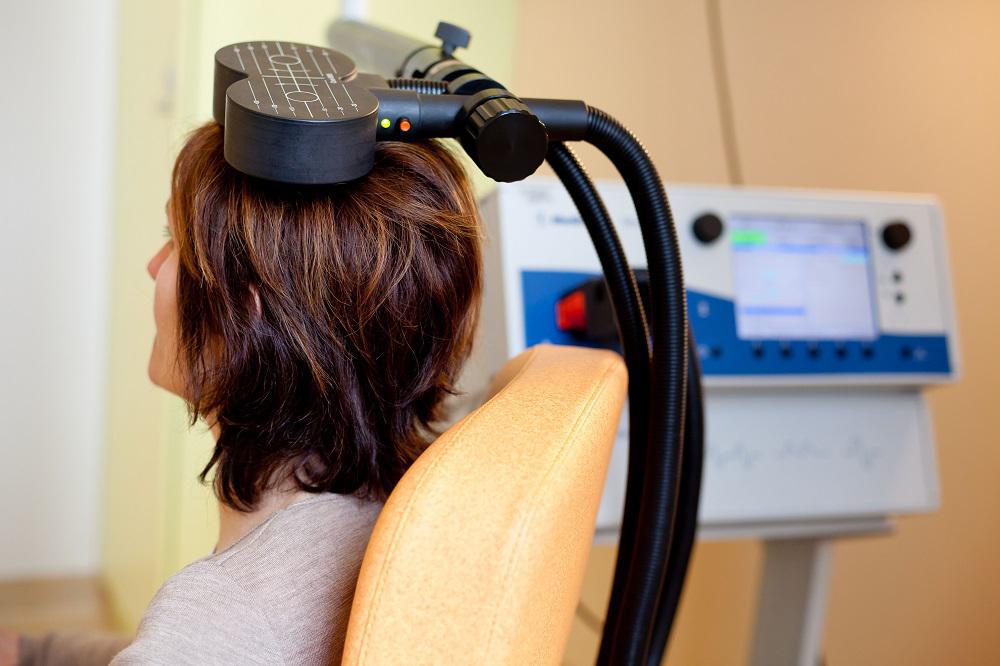
Transcranial Magnetic Stimulation, or TMS, is being studied as a possible treatment option for post-traumatic stress disorder, but it is not yet as established for PTSD as it is for treatment-resistant depression. Current evidence suggests...Read More
If you are considering rTMS treatment for depression, one of the most common questions is what the process looks like once treatment begins. Repetitive transcranial magnetic stimulation, often called rTMS or TMS, uses magnetic pulses...Read More
For anyone preparing to start a TMS course, one question tends to surface early: if it works, will it keep working? It is a reasonable thing to ask. Depression can return, and after trying treatments...Read More
One of the most common questions people ask before starting TMS therapy is deceptively simple: what happens to the rest of my day? If you need to be at work by nine, pick the kids...Read More
Depression care has changed in recent years. For people who have not improved with standard medication, transcranial magnetic stimulation, or TMS, is now part of the treatment conversation in Australia. TMS uses magnetic pulses to...Read More
Transcranial Magnetic Stimulation, or TMS, is a non-invasive treatment for depression that uses magnetic pulses to stimulate parts of the brain involved in mood regulation. In Australia, it is generally considered for adults with major...Read More
Sydney TMS has created a comprehensive guide to Transcranial Magnetic Stimulation depression treatment? It is the ultimate e-book on what to expect when undergoing Transcranial Magnetic Stimulation for depression. About TMS treatment Many of our...Read More
For many Australians living with depression, the story is painfully familiar. Several rounds of antidepressants, an ever-changing pill box, side effects that chip away at day-to-day life, and only partial relief. After a while, the...Read More
A TMS course involves 30 treatment sessions over six to nine weeks, although your psychiatrist may recommend a different schedule. Some people may notice changes around the midway mark (e.g., sessions 14-16) while others start...Read More