Depression is not one single experience. Clinicians use several labels to describe patterns of symptoms, how long they last, and whether particular features are present. This guide explains the different types of depression, why the distinctions matter, and where established treatments, including TMS therapy, may fit. General information only, not medical advice. If you feel...Read More
Sydney TMS has created a comprehensive guide to Transcranial Magnetic Stimulation depression treatment? It is the ultimate e-book on what to expect when undergoing Transcranial Magnetic Stimulation for depression. About TMS treatment Many of our patients find us after months, years, or even decades of trying many treatments without much success. Transcranial Magnetic Stimulation depression...Read More
When talk therapy and antidepressants don’t shift depression, people often assume they have “failed” treatment. More often, the treatment is simply not matching the biology and the pattern of symptoms. That’s where TMS therapy for depression can sit in the mix: a clinic-based, non-invasive medical treatment that uses magnetic pulses to influence brain circuits linked...Read More
People often search for how to beat depression and end up reading about transcranial magnetic stimulation, or TMS. It’s a non-invasive option for adults with major depressive disorder who haven’t improved with usual care. In Australia, Medicare rebates support structured treatment courses, so it’s worth knowing how many sessions are typical and when results tend...Read More
When Antidepressants Stop Working Your psychiatrist just mentioned brain stimulation therapy. Suddenly you’re faced with abbreviations like TMS and ECT, feeling overwhelmed by medical terms you’ve never heard before. Here’s the thing. Both treatments can be life-changing when traditional medications aren’t cutting it anymore. But they’re completely different experiences. The TMS vs ECT debate isn’t...Read More
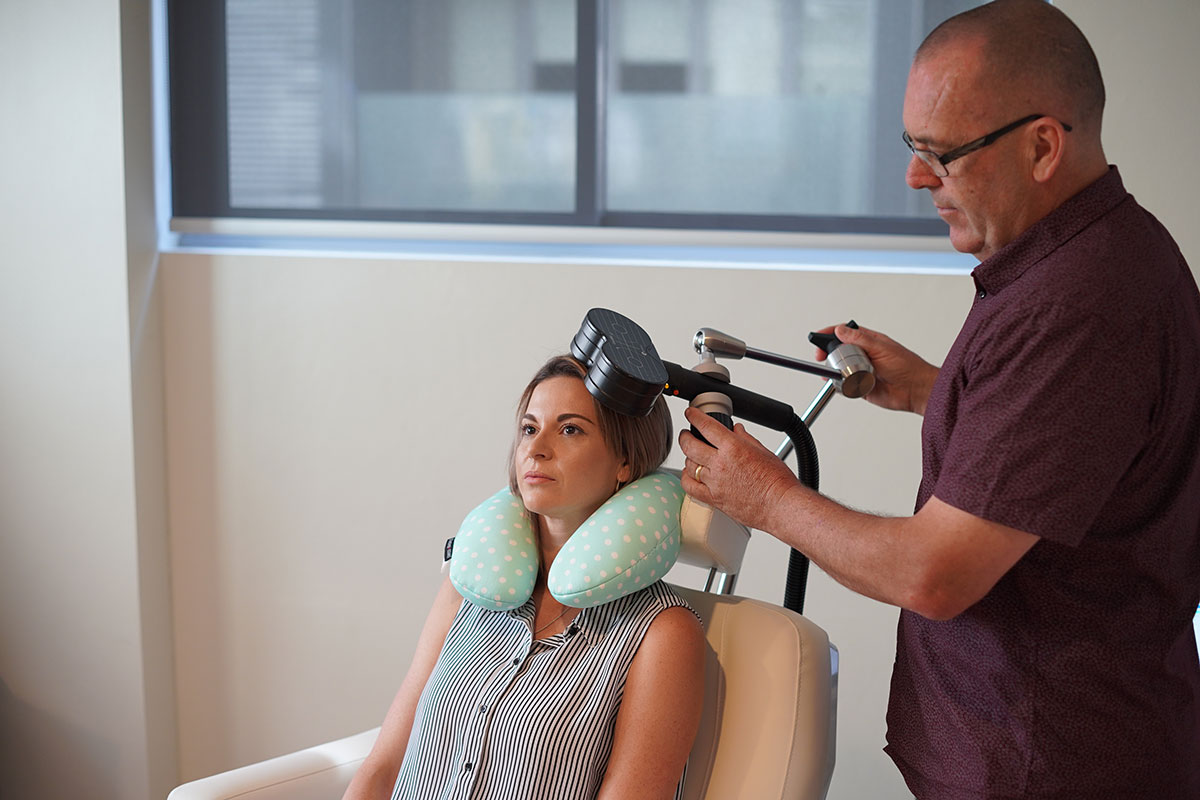
Walking Into the Unknown So you’ve booked your first TMS appointment. Congratulations on taking this massive step toward better mental health. Please note: All patients require a GP referral before embarking on Transcranial Magnetic Stimulation depression treatment. If you haven’t organized this yet, contact your GP first to discuss TMS and obtain the necessary referral....Read More
TMS. Why aren’t more people using this method to treat depression? Transcranial Magnetic Stimulation (rTMS) is becoming increasingly recognised as a valid, non-invasive option for people with depression. It is particularly worthwhile if the person has not responded adequately to medications and other therapy. Evidence continues to mount for its’ efficacy: for instance, a recent...Read More
Imagine finally finding relief from depression without adding another medication to your daily routine. For thousands of people who haven’t found success with traditional antidepressants, TMS therapy offers exactly that. Maybe you’ve tried medication after medication. The side effects hit you hard: weight gain that changes how you see yourself, sexual problems that affect your...Read More
You’ve probably stumbled across some concerning claims online. “TMS ruined my life.” “TMS is experimental.” “TMS doesn’t really work.” When you’re desperate for depression relief, these statements can be alarming. When you’re researching is TMS a hoax, you want straight answers, no fluff. You need to know if this treatment is legitimate or just another false hope...Read More
You might have heard the term major depressive disorder everywhere: social media, news articles, maybe even from your GP. But what actually is it? Here’s the thing. Everyone throws around the word “depression” these days. Had a bad week at work? “I’m so depressed.” Favourite restaurant closed down? “This is depressing.” That’s not what we’re...Read More